FLESH AND IRON: PRISON RULES FOR COMBINING BODY AND BARBELL
This guest post comes from Paul “Coach” Wade, a bestselling fitness author best known for Convict Conditioning. The views and training opinions expressed are his own.
First up—a huge thanks to my young buddy Hampton for letting me post on his blog. That dude is a legend, and is the future of calisthenics, I tells ya!
I have just written my final book before riding off into the West—a long-requested manual on prison barbell training. For this reason—yo, it’s Hybrid Calisthenics, right?—we thought it might be cool to have a cozy fireside chat about how to combine weight training with bodyweight work.
Just me and you, kid. Here’s ten ideas to get ya thinking.
1. Dominate Your Own Body First
Before you start bragging about what you can lift, prove you can move your own carcass.
What does this mean? The basics are the basics. Can you pull your body up? Press the earth away? Squat deep? Bridge, and raise the legs? If not, this is where we start. These are the ABCs of physical culture, no matter how cool the latest machine is.
A man who can bench a house but cannot perform ten strict pullups is not fully strong. He is specialized. Bodyweight mastery is the foundation. The barbell gets built on top of it—not instead of it.
2. Abbreviate the Iron
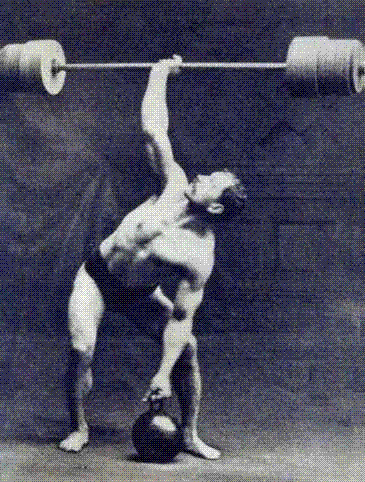
The old prison lifters understood abbreviated training. A bench, a barbell, plenty of plates and something to pull yourself up on can build a monster. For raw moving-the-Earth strength, a major push and a major pull can cover nearly the whole body. Once you have that backbone, everything else must justify its place.
The two Kings of old-school Yard lifting were the deadlift and the bench press. Curls were the Prince. Back-arm—or triceps—work was the bastard younger kid. Everything else was fluff.
Squats? Nah. Racks were rare. Besides—legs should be trained with calisthenics, explosives, jumping and sprinting. Rows and pulldowns don’t cut it either. Pullups are just so far ahead it’s not funny. Weighted ab work is inferior—leg raises or sit-ups are what the doc ordered.
Every barbell or weighted exercise you add steals energy from these exercises that matter. I see gym programs today with thirty or forty exercises. Barbell work should be like a laser beam—you focus your energy on the minimum number of drills. This is what makes steroid-like gains.
3. More Iron Is Everything
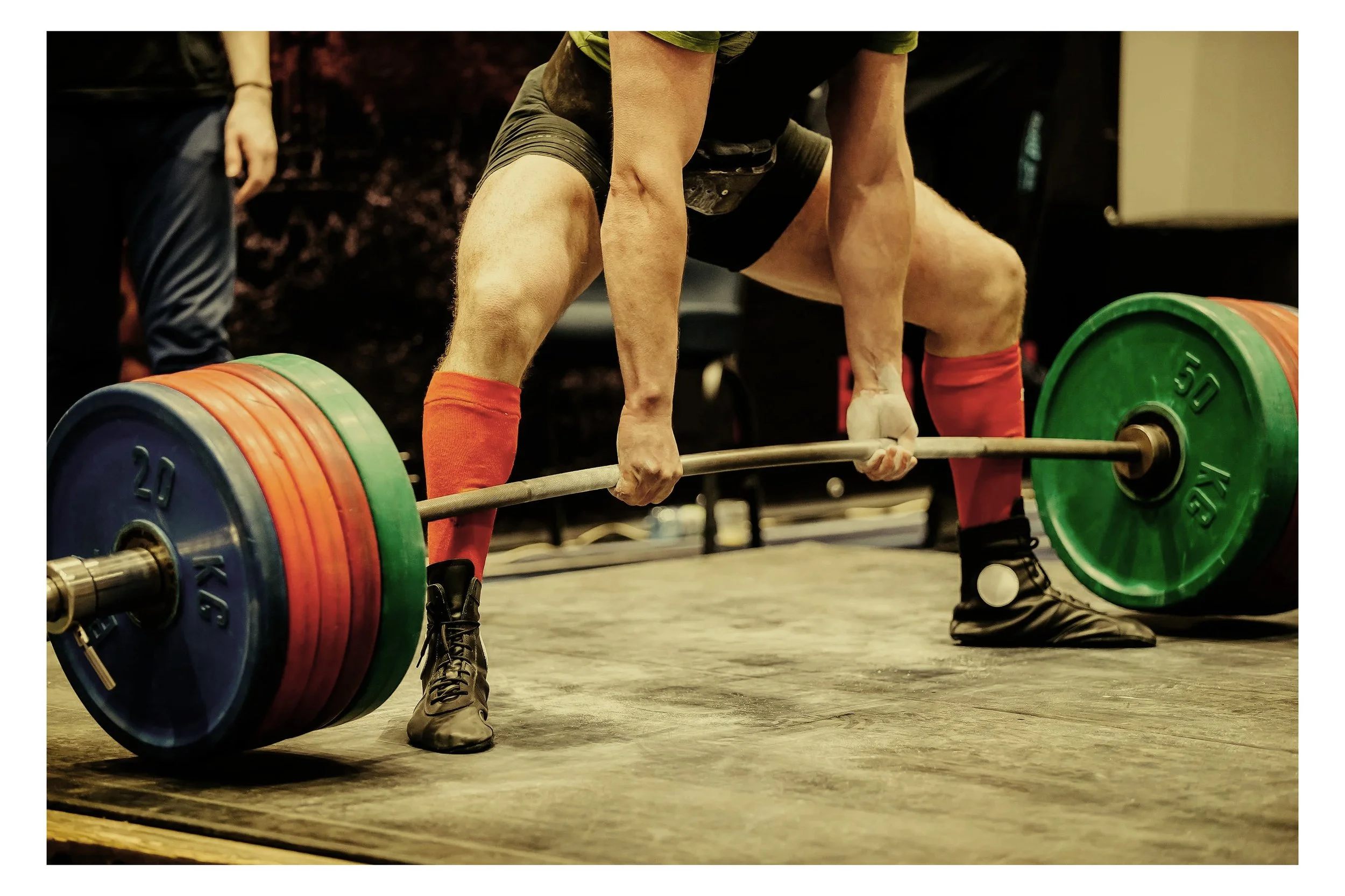
Barbells have drawbacks, but they are brutally effective for one thing: building measurable, progressive strength.
Once you have learned acceptable form, you have only one goal. Add weight to the bar. You need to turn off the wicked Devil on your shoulder that says you can’t lift it. You can. Then lift more.
Once you have your tiny number of major lifts, become a specialist. Become obsessed. Add iron gradually. Keep coming back stronger. Use the old-school strength techniques I teach, and before long you will be bending bars and scaring yourself.
Good.
You don’t need more exercises, stud. You need more plates.
4. The Three Disciplines
Strength training, bodybuilding and calisthenics are different disciplines, with different modalities, goals and mindsets. Treat them that way.
Strength work is about force and weight on the bar.
Bodybuilding work is about muscular tension, form, effort, density and stimulation.
Survival athletics is about control, athleticism, stamina, mobility and skill.
When athletes confuse these goals, every workout becomes the same gray soup. Give each method a mission and make it perform.
5. Build the Intimidation Physique
Here’s a quote from Convict Conditioning: The Barbell Program that sums up my take:
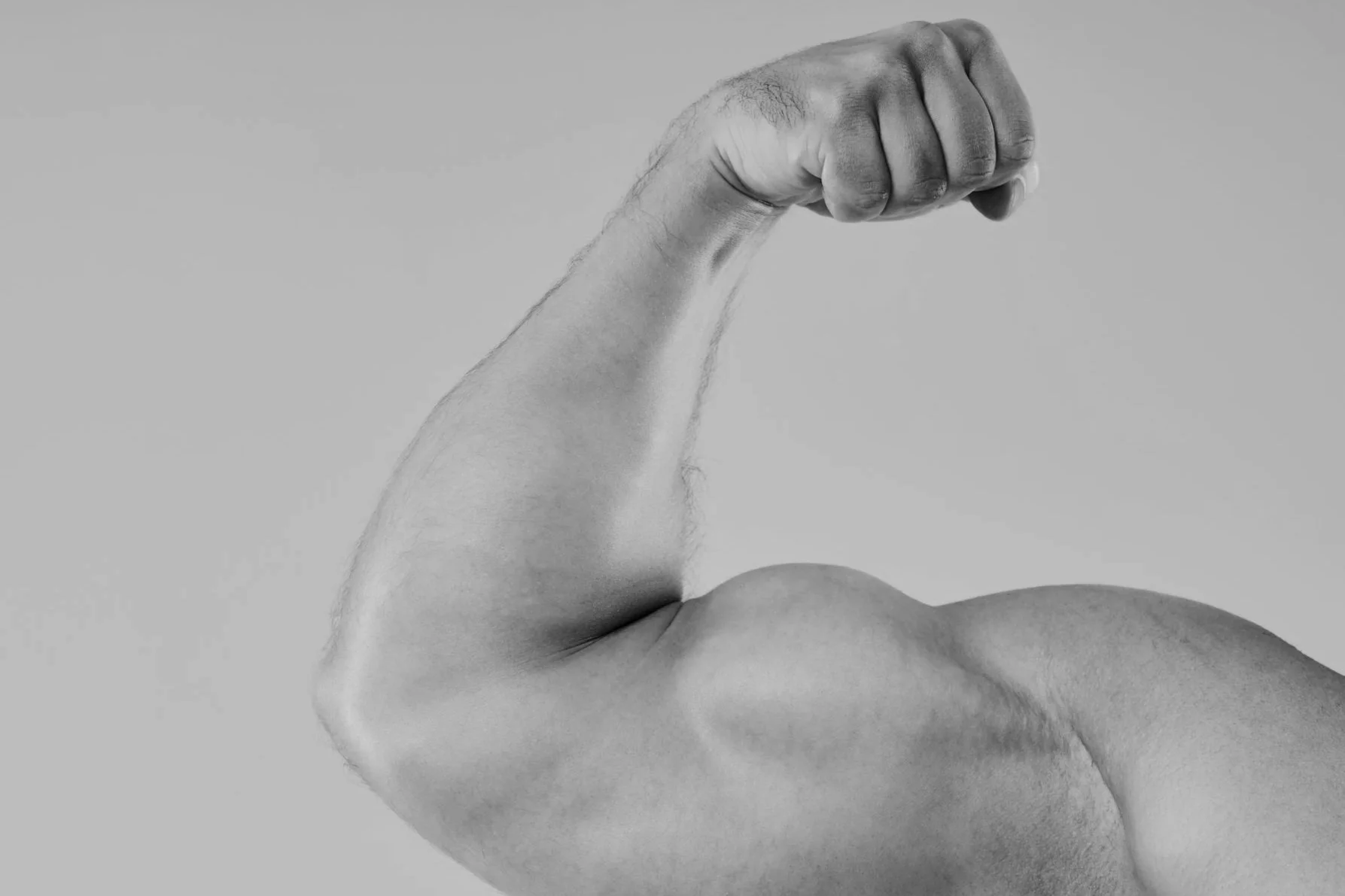
In competitive bodybuilding, a physique is judged by factors such as balance, symmetry and proportion. In jail, nobody gives a f*** about these things. They want to look big, jacked and scary, particularly in the upper body. This is pure animal instinct. A huge number of species, in combat, strategically swell up or puff up to make themselves look bigger to the opposition. Humans confront one another face-to-face, so in order to look intimidating, we can only maximize the “width” muscles—the lats, shoulders, arms, neck. Anything that makes us look wider is good, and the bigger the better. Screw proportion.
In bodybuilding, big legs are a huge deal. People rave about massive quads, hamstrings and glutes. In jail, nobody gives a damn. Upper-body is for combat. A broad back and shoulders, huge arms and cable-like, vascular forearms are scary—chunky thighs are not. There’s no animal that inflates its legs to look intimidating. Barbell squats are rarely seen in jails. Part of this is due to the lack of proper stands, but mostly it’s because nobody cares what you can squat. Prison lifters almost exclusively perform barbell drills where you are holding the bar. When, in real life, do you need to push your back against a weight and press? Giant legs only detract from the upper-body, and are practically useless in most situations because unless you are using a machine or training equipment, your ability to use your leg strength is limited by your upper-body strength anyhow. (I appreciate this is all sacrilege to a powerlifter. Write me a letter about it, wrap your knees and limp to the nearest mailbox.)
When inmates train, they understand this instinctively. They train for a huge upper-body—bench press, pullups, rows and deadlifts—biceps through chinups and all kinds of curls, and back-arms through French presses, close pushups and extensions. They train their shoulders with handstands and handstand pushups, their necks with wrestler’s bridges and front bridges, and their forearms with hanging and deadlifts.
Training is basic—barbells and bodyweight—painful and savage. It’s usually fueled by emotional pain and suffering. This is the road you must go down if you want to radically amplify your muscle levels. Screwing around on a bunch of machines in between scrolling on your phone won’t get the job done—that’s why the people you see in your gym, year-in, year-out always look the f***ing same.
—Convict Conditioning: The Barbell Program, Chapter 1
You don’t need to follow whatever bullshit status quo aesthetic is on Instagram this month. Do your own thing.
6. Survival Athletics Is the Secret Weapon
Folks today think they need a massive gym to make gains. No. The best athleticism only comes when you strip everything away. It’s just you and your cell.
Burpees, jumps, endurance calisthenics and explosive drills keep the animal alive. You don’t need iron, or even a horizontal bar, to become an animal. You need fire and will. You can’t buy this, or take a shot of it from a plastic bottle or syringe.
You can be as strong as you like, and as big as you like, but if you can’t “go” you’re dead in the water, brother.
7. Stay Lean and Hungry
The modern fad of Holy Protein is a bunch of absolute crap. Athletes I knew built incredible physiques with diets that would be considered absolutely subpar today. Muscle and strength gain is about hard training—diet comes way, way down the line. Your attitude should be to become leaner, not see how much you can shovel down.
Don’t bulk. Ever. Never confuse bodyweight with muscle.
Adding fifty pounds to your belly might shorten the distance of your bench press, but it also means dragging fifty extra pounds through every pullup, sprint, climb and emergency.
Mass may move mass—but fat has to be moved too.
Calisthenics keeps you honest. Every useless pound shows up on the bar. Stay lean enough to move, hungry enough to work and light enough that your own body never becomes your prison. If you are thirty, forty, fifty pounds overweight, the fastest way to increase your bodyweight strength isn’t training—it’s weight loss.
Think about that.
8. Cell Training—The Secret Weapon
I told you to keep your barbell work abbreviated. The same is true—though a bit less true—for progressive bodyweight. You have more wiggle room here.
For cell work, all bets are off.
You need to drop the mindset that you need to be in a gym to get a workout in. That’s bullshit. Inmates have understood for a century that if you have a floor and the space of your body, you can get a workout in—something that will increase fitness, movement skills, athleticism, speed and endurance.
You’d be surprised what you can do with just a floor and no cellphone to hypnotize ya:
Burpees or fitness calisthenics
High-rep bodyweight squats
Bodyweight isometrics
Dynamic Tension sets
Midsection work
Shadow boxing or combat drills
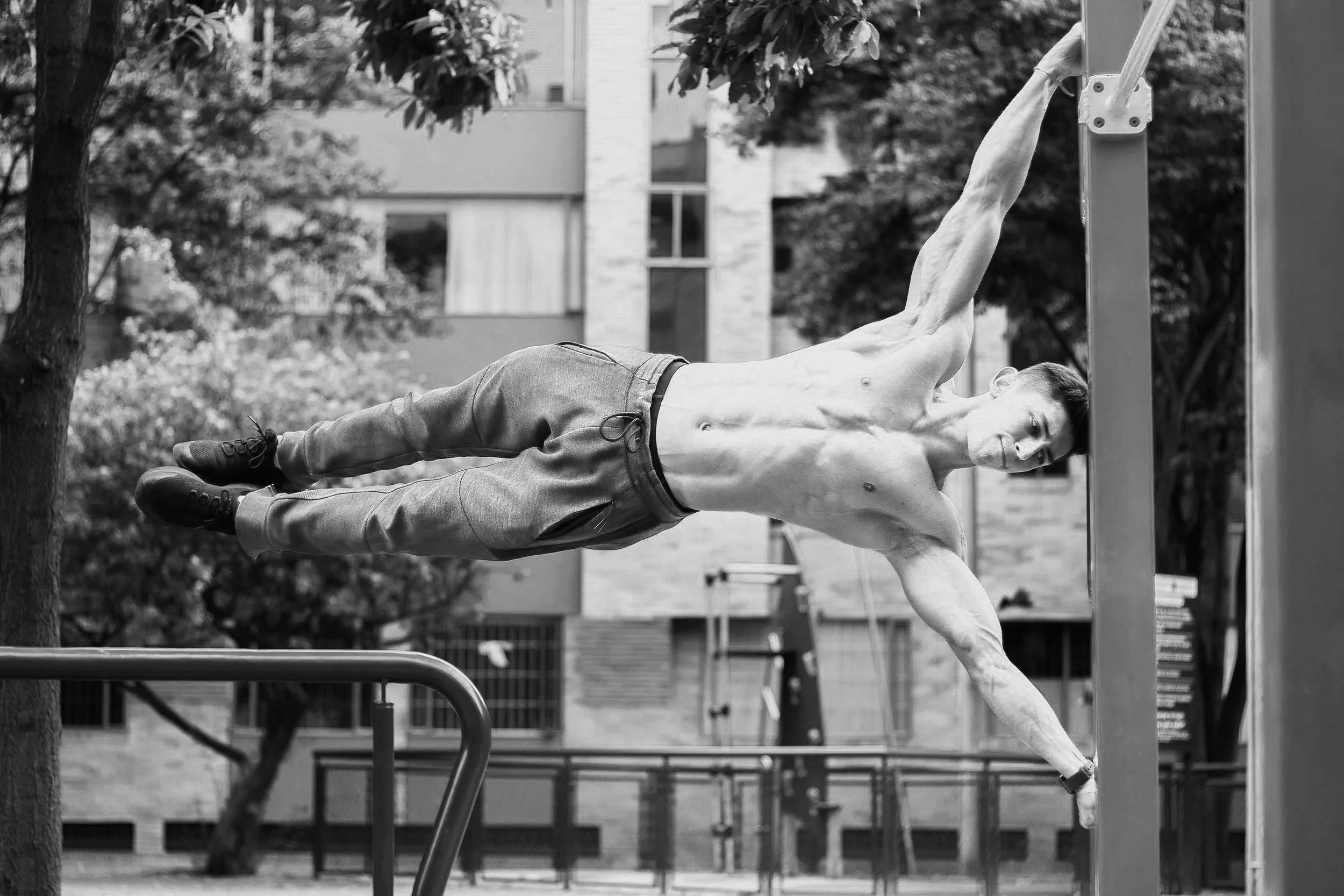
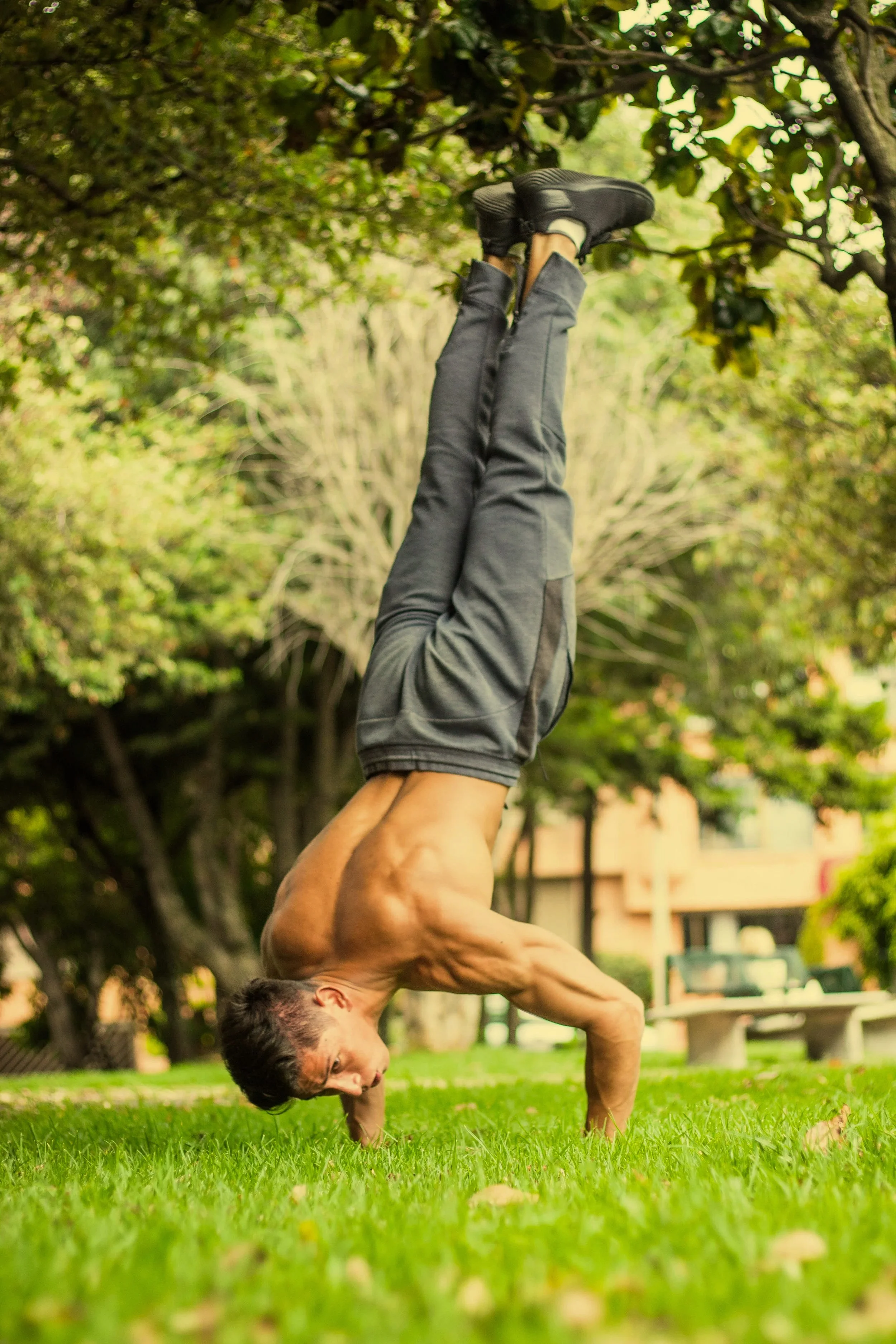
Inverse positions or hand-balancing
Hops, jumps and plyo work
Yoga or stretching
And so on. All of these can be built slowly up to high volume, and they all have a powerful Gestalt effect on your abilities to go.
9. Outwork the Enemy
Inmates often trained constantly because they understood that training does not have to mean a two-hour gym session.
Some sets of burpees here. Pushups later. Isometrics in the morning. Bodyweight squats at night. Mobility whenever you feel stiff. Grip training whenever you think about it. This type of low-tech, high-will training can be creatively used to build tremendous volume, spread throughout the course of the day.
This is why inmates seem to build their athleticism and fitness at supernatural speed compared to the gym bros. They are working productively, multiple times per day, while you make it to the gym three times per week, if you’re lucky.
But you have to understand the Laws of Recovery.
10. Juggle Recovery Like a Pro
There are three rules that go hand-in-hand with the last Principle:
Build up slowly to minimize soreness.
More work is only better when you can adapt to it.
Don’t do something today that will disrupt tomorrow’s session—particularly barbell work, which we need to be progressive.
There are ways to do this if you’re smart. Look at what’s being worked tomorrow and avoid those qualities today.
Always begin with the backbone: two serious strength sessions. Once you are progressing, add bodybuilding. Once you can recover from that, increase the cell work. The volume in the Yard or gym can stabilize—but you can keep adding the cell work forever if you’re smart, patient and have the willpower.
Every extra workout must earn its place.
If your lifts are climbing, your muscles are growing and your body feels powerful, keep going. If performance falls and your joints feel beaten up, remove something.
Lights Out!
Hey…I guess this time it really is Lights Out!
For old Coach, anyhow. I am heading off into the sunset of retirement, so this is pretty likely to be my last-ever article. You can never say never though, right?
If there’s one thing I want you to take home for your training life—and there is a lot of it ahead of you—it’s this: avoid the status quo. Your body is the ultimate gym—more than many of you even realize, even if you’ve been exploring bodyweight training for a while.
You can add to this amazing gym by doing some barbell work, but honestly, it’s the icing on the cake. Moving your body as nature intended is where the real party is.
Never forget it, kid.
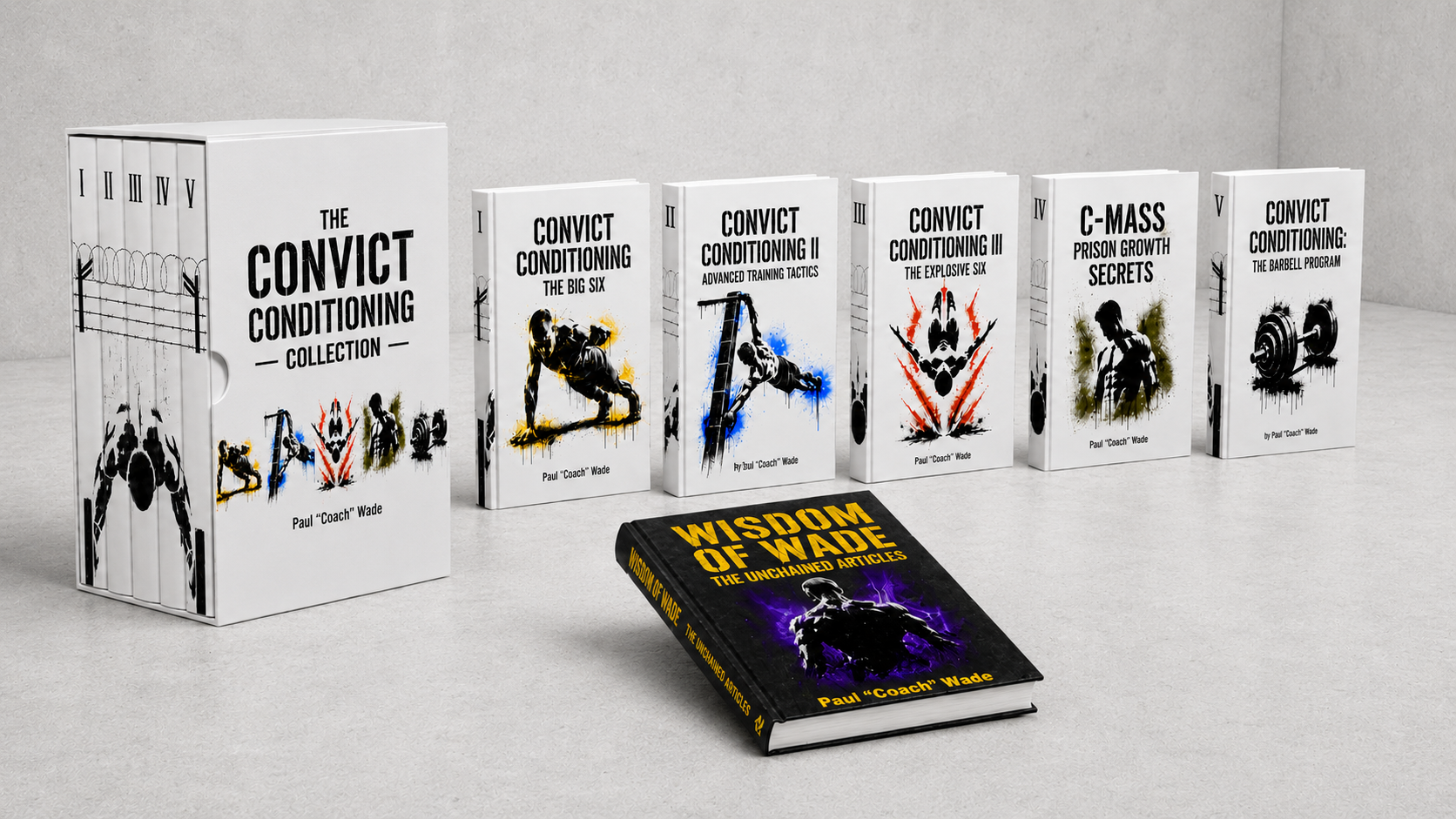
Paul “Coach” Wade is the author of Convict Conditioning. His final book before retirement, Convict Conditioning: The Barbell Program, is available through Kickstarter, along with the twentieth-anniversary Convict Conditioning box set. Click here to learn more.
For inquiries, please contact his publishers Titan Press Media: titanpressmedia@gmail.com.
© 2026 Paul Wade. Published by Hybrid Calisthenics with permission.
